Understanding how conception happens naturally is the first step for couples dealing with fertility challenges. When things don’t go as expected, knowing the science behind how sperm travels inside woman and interacts with the egg can provide clarity and hope. This guide explains how sperm travels in the female body, what affects natural conception, and how IVF treatment helps when nature needs a little help.
Understanding Natural Conception
Natural conception happens when a healthy sperm meets a mature egg at the right time during ovulation. This process involves several steps and each must function correctly for pregnancy to occur. When any part of this process fails, couples may need medical assistance.
Step-by-Step Journey of Sperm Inside a Woman’s Body
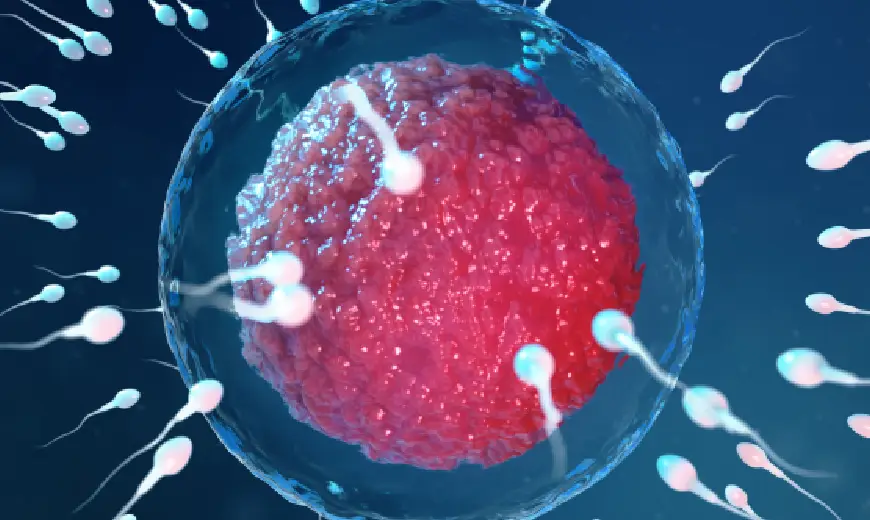
After intercourse, sperm is released into the vagina. From there, sperm cells begin a complex journey. They pass through the cervix into the uterus and finally reach the fallopian tubes. Out of millions of sperm, only a few hundred survive the trip.
This journey is not only about swimming, it’s also about timing. If the egg has been released, the sperm has a chance to fertilize it. If not, the sperm may wait for it.
The Role of Ovulation: Where the Egg Waits
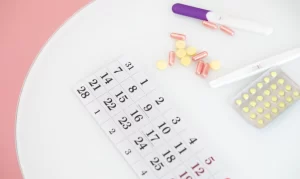
Ovulation usually occurs around the middle of the menstrual cycle. A mature egg is released from the ovary and enters the fallopian tube, where it waits for fertilization. This window is narrow, lasting only about 12 to 24 hours. If fertilization doesn’t happen in this time, the egg dissolves.
How Sperm Finds the Egg: The Science Behind It
Sperm uses chemical signals released by the egg to locate it. This process is called chemotaxis. Despite their small size, sperm are built for movement. Their strong tail helps them swim toward the egg. Interestingly, sperm can live inside a woman’s reproductive tract for up to 5 days, especially in fertile cervical mucus. This means that even if intercourse occurs a few days before ovulation, there is still a chance of conception.
Common Issues That Can Disrupt This Natural Process
In some cases, this natural process is interrupted. Common causes include:
- Blocked fallopian tubes prevent sperm from reaching the egg.
- Low sperm count or motility, making it hard for sperm to swim.
- Irregular ovulation or hormonal imbalances in women.
- Cervical or uterine abnormalities that affect sperm entry or implantation.
If you’ve been trying to conceive for over a year without success (or 6 months if over age 35), it’s time to consult a Fertility Clinic in Mumbai or your local area for expert evaluation.
When Natural Conception Fails: Understanding Infertility
Infertility is more common than people think. It can affect both men and women equally. Medical tests can help identify the root cause. These may include blood tests, ultrasound scans, semen analysis and more.
The emotional impact of infertility can also be overwhelming. Seeking support from a qualified fertility counselor can be helpful during this phase.
How IVF Helps When Natural Conception Doesn’t
When sperm can’t reach the egg naturally, In Vitro Fertilization (IVF) is one of the most successful treatment options. In IVF, the egg and sperm are combined in a lab under controlled conditions. Once fertilized, the embryo is transferred into the woman’s uterus.
IVF in Mumbai has advanced significantly, with high success rates, advanced labs and experienced doctors. Couples can now access world-class fertility care without traveling abroad.
The Best IVF Doctor in Mumbai will customize the treatment based on your health, age, and cause of infertility, increasing your chances of success.
Why Choose the Best Specialists for IVF
Choosing the Best Infertility Specialist in Mumbai ensures you’re getting evidence-based care, transparent advice and a supportive environment. An experienced doctor will guide you through all options, explain risks and benefits and help manage expectations realistically.
To Conclude
The journey of sperm to the egg is a remarkable process. Understanding how sperm travels inside woman is not only educational, it’s empowering. If you’re facing difficulties conceiving, don’t lose hope. Medical science, especially IVF Treatment, offers many couples a second chance at parenthood. Trusting the right specialist and clinic can make all the difference in your journey.
FAQs
Q1. How long does sperm survive inside a woman’s body?
Ans: Sperm can live inside a woman’s reproductive tract for up to 5 days, especially in the presence of fertile cervical mucus. This means intercourse even a few days before ovulation can lead to conception.
Q2. How does sperm know where the egg is?
Ans: Sperm are guided by chemical signals released by the egg in a process called chemotaxis. These signals help direct the sperm toward the egg in the fallopian tube.
Q3. When does ovulation occur during the menstrual cycle?
Ans: Ovulation typically happens around day 14 of a 28-day menstrual cycle. However, this can vary depending on the individual’s cycle length and hormonal balance.
Q4. What are the signs of ovulation?
Ans: Common signs include changes in cervical mucus, mild pelvic pain, increased libido and a slight rise in basal body temperature.
Q5. Why might natural conception fail even if both partners are healthy?
Ans: Factors like timing issues, mild hormonal imbalances, temporary stress or subtle sperm or egg quality issues can affect conception, even in healthy individuals.